FeedLoop® — BC, CanadaWaste → Protein
CLOSING
THE LOOP.
Loading circular economy…
0
01The Problem 02The Loop 03Economics 04Technology 05Global Goals 06Market 07Momentum 08Team 09Contact
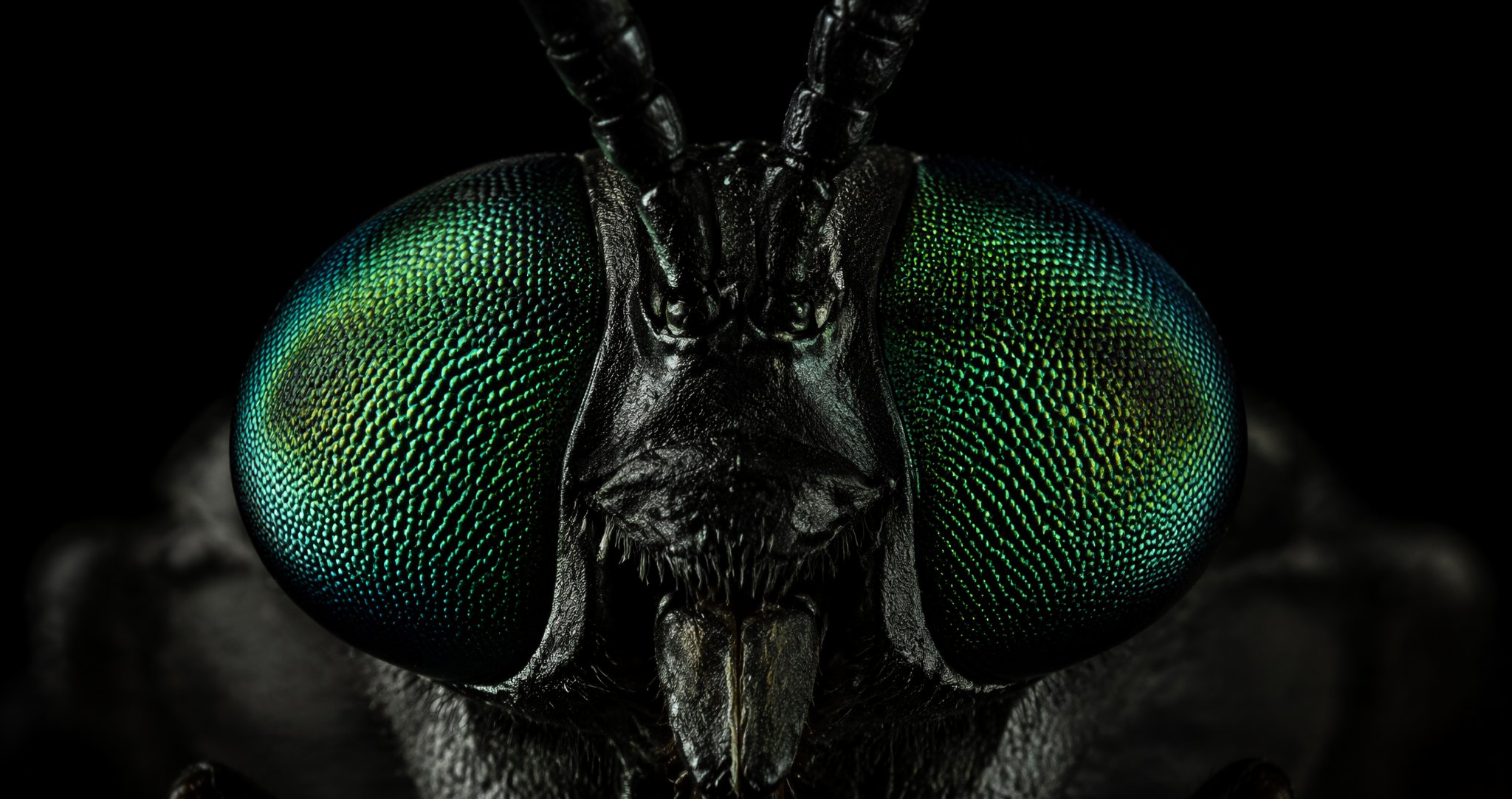
Macro photograph of a black soldier fly with iridescent green compound eyes
Waste → Protein → Local Supply — Est. British Columbia
FeedLoop® — Industrial bioconversion, Vancouver BC

Engineering the future of protein.

We divert industrial pre-consumer organic waste from landfills and convert it into high-performance animal feed and organic fertilizers — building a domestic supply solution for British Columbia.
Scroll the loop begins Methane ↓  /  Protein ↑  /  Landfill ✕
01 The problem

Every day, BC's food processors pay to throw away tonnes of perfectly good nutrition.

Spent grain, produce trim, processing residuals — clean pre-consumer organics are hauled to landfill, where they rot and release methane, a greenhouse gas 80× more potent than CO₂. Tipping fees keep climbing. The carbon tax keeps rising. And the protein BC imports by the shipload could be grown right here.

Waste is not a resource problem. It's a logistics problem wearing a costume — and it's expensive.

0×
Methane's warming potency vs. CO₂ over 20 years
$0+
Per tonne — landfill tipping fees, and rising
$0
Per tonne — BC carbon tax, 2026
Proven market · broken process

Enterra Feed validated this exact market in our own backyard — scaling to a 180,000 sq ft facility before collapsing under a labour-intensive process. The demand never left. Automation is the unlock.

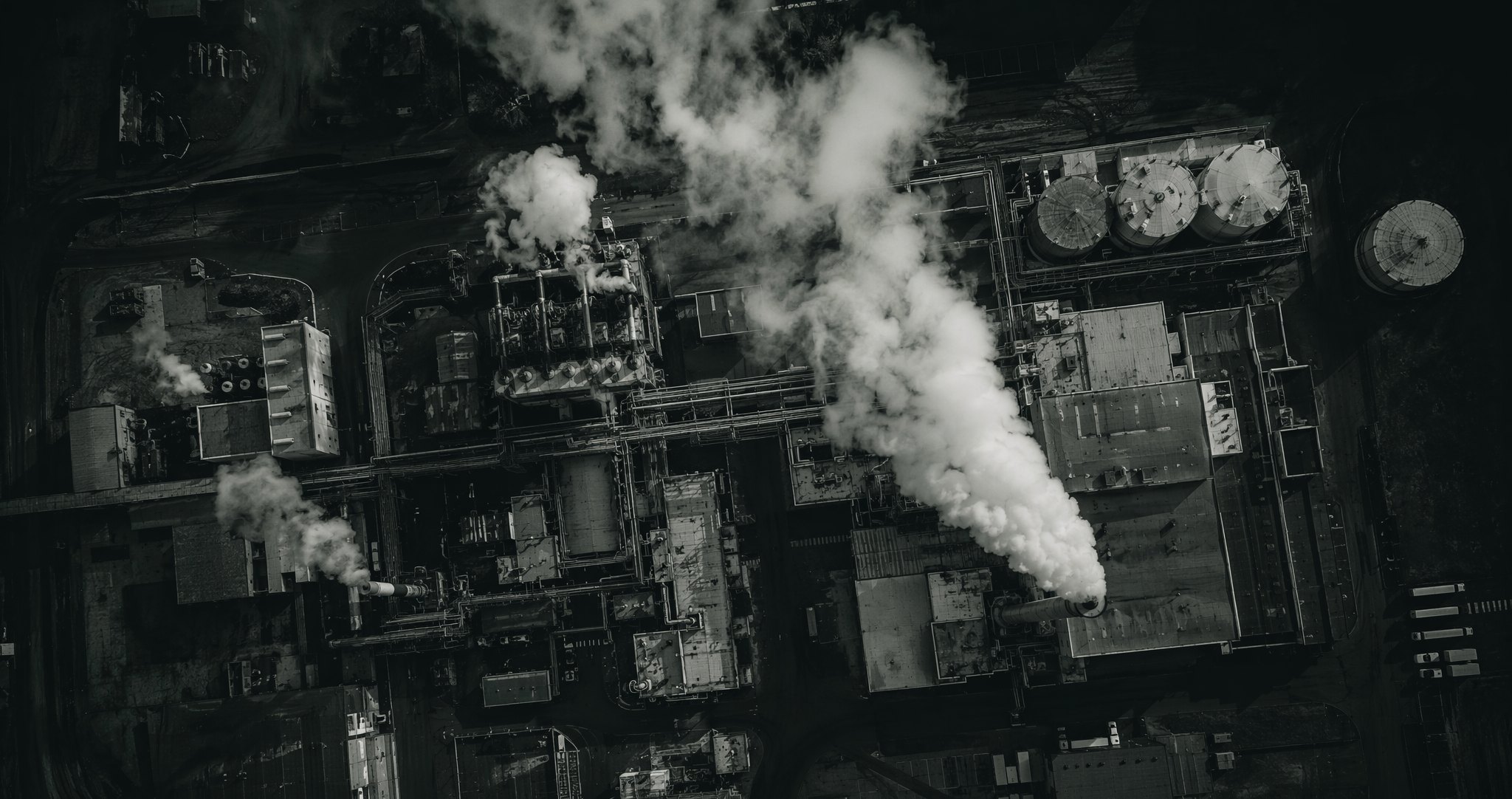
Aerial view of an industrial processing facility The status quo — costly & carbon-heavy
02 The solution

One insect
closes the loop.

Black soldier fly larvae devour clean organics and multiply their body mass thousands of times in under two weeks — turning a disposal liability into protein, oil and fertilizer.

The FeedLoop Cycle
Continuous · Automated · Modular
Black soldier fly larvae biomass
Step 01

Waste Intake

Clean pre-consumer organics, secured through long-term agreements and quality screens. Processors pay us to take the stream.

Step 02

Bioconversion

BSF larvae convert organics into nutrient-dense biomass in rapid, automated growth cycles — no arable land required.

Step 03

Processing

Larvae are dried and separated through an energy-efficient extraction process into protein meal and functional oil fractions.

Step 04

Protein · Oil · Frass

Three outputs leave the facility: animal protein, insect oil, and organic frass fertilizer — feeding farms that feed the loop.

03 Key economics

Why the model
works.

We get paid at both ends of the pipe: disposal fees in, premium protein and fertilizer out — with carbon credits on top.

Revenue / Intake
$0
per tonne

Our disposal fees — we're paid to accept industrial organics, roughly 30% below regional tipping fees.

The Alternative
$0+
per tonne

Landfill disposal fees — a major pain point for processors.

Regulatory Pressure
$0
per tonne CO₂e

BC carbon tax (2026) — adding pressure to legacy disposal routes.

Upside
$0k
per year

Potential tradeable carbon credits from diversion.

Note — values reflect internal assumptions and vary by site and contracts.

Four streams. One waste input.

Bottom-up unit economics
Waste intake
$0
per tonne · gate fees
Dried larvae
$0
per tonne · premium feed ingredient
Frass fertilizer
$0
per tonne · wholesale organic
Carbon credits
$0
per VCU · voluntary markets
04 What comes out

One stream in.
Three products out.

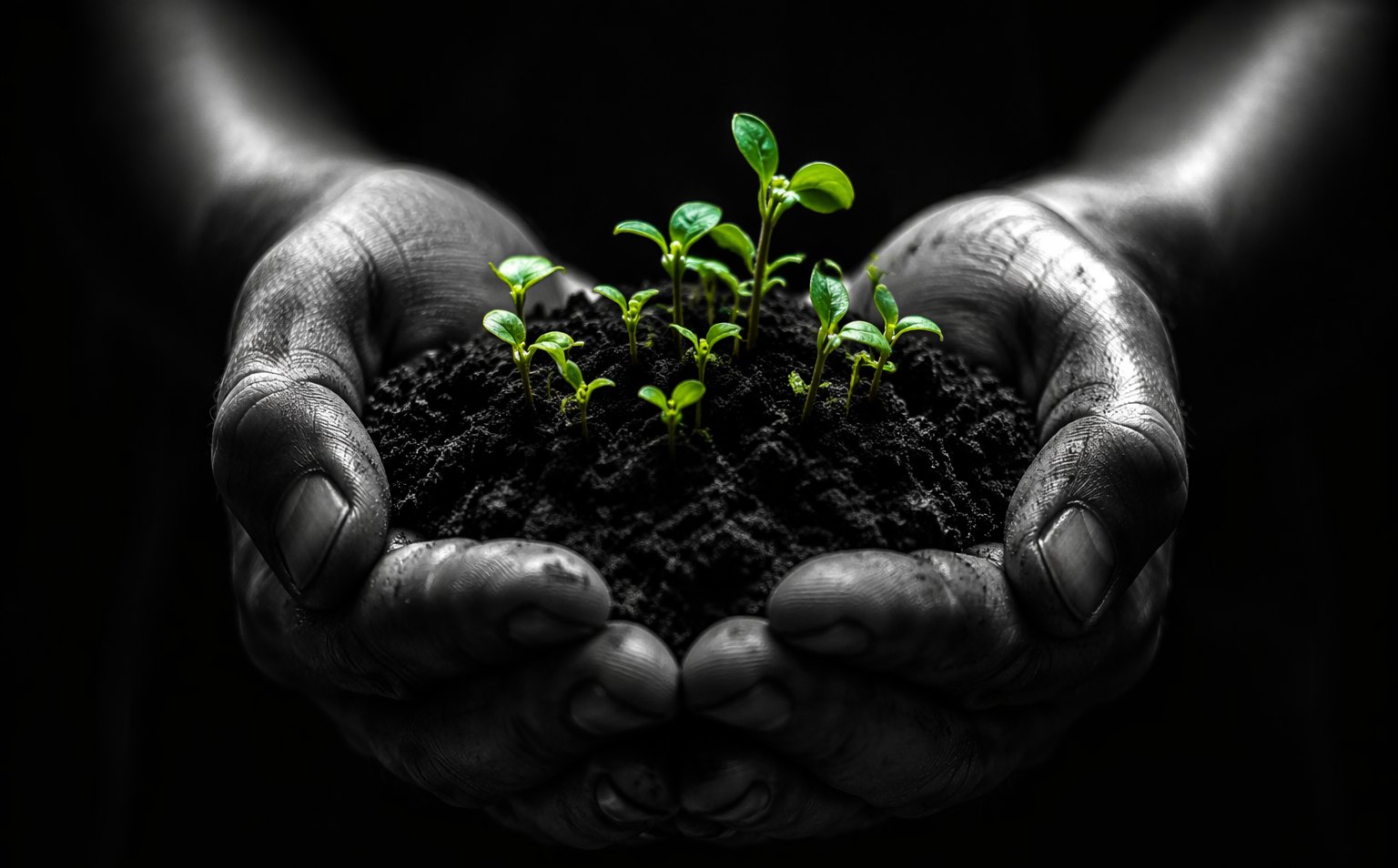
Hands holding rich organic frass fertilizer with green seedlings From waste stream → to food system

P.01 Insect Protein $3,500/t

Dried larvae and protein meal for aquaculture, pet food and poultry — a consistent domestic supply price-locked against global fishmeal surges (now ~$2,500/t), with natural antimicrobial peptides that support gut health and immunity.

P.02 Insect Oil

A functional fat fraction naturally rich in lauric acid — valued in premium feed formulations for supporting animal gut health.

P.03 Frass Fertilizer $250/t

A regenerative organic soil input returning N-P-K and micronutrients to farmland — BSF frass has increased crop yields by up to 119% versus conventional organic fertilizer in published field trials.

05 Technology

Industrial bioconversion at scale.

FeedLoop deploys modular, rotating-drum EntoReactors — licensed from Entoprot (Finland) — that automate humidity, temperature and aeration for high-density, low-labour growth, paired with high-performance BSF genetics from NRGene Canada.

Our planned IP — an integrated modular conversion process with a proprietary Thermal Recovery System — targets lower-cost, higher-efficiency production in a traditionally high-OPEX industry.

◆ Modular scaling · Automation · Consistent output quality ◆ Pilot facility · Abbotsford, BC
01

Waste Intake

Clean organics, consistent supply — secured through long-term agreements and quality screens at the facility gate.

02

Bioconversion

Rapid growth cycles in automated EntoReactors — BSF larvae convert organics into nutrient-dense biomass in a highly controlled environment.

03

Processing & Output

Protein, oil, fertilizer — outputs include protein meal, oil fractions, and frass fertilizer, each spec'd for repeatable supply contracts.

04

Thermal Recovery

Frass matures in an aerated static pile while our proprietary heat-recovery design recaptures process energy — driving OPEX down as we scale.

06 Why now

The wind is at
our backs.

Regulation, carbon pricing and feed approval are all pushing in one direction — turning organic waste from an afterthought into a liability someone must solve.

01

Metro Vancouver Organics Disposal Ban

Mandatory separation and disposal surcharges make landfill the expensive option — and diversion the rational one.

02

CleanBC Roadmap to 2030

A 95% organics diversion target effectively legislates landfill out of the equation for processors across the province.

03

Carbon pricing tailwind

BC's carbon tax converts avoided landfill methane into high-value, tradeable offsets — a revenue stream that grows with the tax.

04

Federally approved feed

Black soldier fly is a federally approved animal feed ingredient in Canada, with CFIA registration clearing the route to market.

07 Global goals

Local loop,
global goals.

The UN Sustainable Development Goals are the world's shared blueprint for people and planet. FeedLoop's circular model directly advances four of them — measurably, not aspirationally.

02SDG 2

Zero Hunger

Decentralised insect protein rebuilds regional feed security — turning urban organic waste into a dependable domestic supply chain.

12SDG 12

Responsible Consumption & Production

Pre-consumer organics become feed and fertiliser instead of landfill — keeping nutrients in a true circular loop.

13SDG 13

Climate Action

Every tonne diverted avoids landfill methane and shortens feed supply chains — generating verified, tradeable carbon credits.

15SDG 15

Life on Land

Frass returns biology to depleted soils — farm trials show yield responses of up to +119% over conventional regimes.

08 The market

Big pond.
Local harpoon.

We start where the waste is — the Lower Mainland — and scale across Western Canada with modular, decentralized facilities.

$0B+ TAM — Canada
waste · feed · fertilizer
$0M SAM — Western Canada
deployable facility regions
$0M SOM — Lower Mainland
within first 5 years
Waste 5% CAGR Animal feed 9% CAGR Fertilizer 6.3% CAGR
09 Traction

The loop is already
closing.

Phase 1 pilot facility launching in Abbotsford, BC — with feedstock, genetics, research and farm partners already at the table.

0
LOIs in negotiation — Bimbo Canada (bakery) & Silver Valley (produce)
0+
Companies engaged across the value chain on disposal needs & product demand
0
Continents of technology & operations partners — Finland · Canada · India
Strategic alliance wall
Entoprot Bioreactors · Finland NRGene Canada BSF genetics UBC Research & grants KovaiBSF Operations · India Bimbo Canada Feedstock Silver Valley Feedstock Matsqui Blueberry Frass trials Great Garlic Frass trials Vanson Poultry Feed trials
The road to 2035
2026

Phase 1 · Pilot

Facility build-out in Abbotsford. EntoReactors procured, LOIs formalized, CFIA pathway underway.

1 reactor
2027

Cash-flow positive

Facility ramps to 75% capacity — cash-flow positive by month 7 of operations.

Q3 target
2028–29

Phase 2 · Scale

Expansion funded by reinvested earnings and equipment financing — no dilution.

4 reactors
2030–31

Phase 3 · Western Canada

Strategic capital from waste-management partners deploys facilities across the west.

12 reactors
2035

National leader

Canada's largest integrated animal feed producer and organic waste processor.

The vision
10 The vision

To become Canada's largest integrated animal feed producer and organic waste processor by 2035 — securing resilient national food supply chains.

FeedLoop® — Waste to Protein Target: 2035 — National scale
11 Leadership

The people behind
the loop.

Engineers, an entomologist, and operators — united by one mission: make waste the most valuable stream in the building.

Krit UnmoleCEO

Krit Unmole

Co-Founder · Chief Executive Officer

Chemical Engineer with relentless drive and a long-term vision. Leads strategy, partnerships, and execution toward a scalable circular protein platform.

Adbhut MangalCCO

Adbhut Mangal

Co-Founder · Chief Commercial Officer

Professional engineer spanning chemical & biomedical engineering and entrepreneurship. Bridges technical feasibility with customers, pricing, and go-to-market.

Yiming ZhongCOO

Yiming Zhong

Co-Founder · Chief Operations Officer

Civil Engineer-in-Training known for disciplined execution and calm problem-solving. Drives coordination, planning, and operational structure as FeedLoop scales.

Lalini UnmoleCRDO

Lalini Unmole

Co-Founder · Chief R&D Officer

PhD in Applied Entomology and award-winning BSF systems specialist. Leads biological optimization, strain performance, and process innovation.

12 Partners

Two ways
to plug in.

We work with food processors, farms, and brands across BC to build resilient domestic supply while cutting organics disposal costs.

Path 01 — Waste partners

I have a waste stream

Generate pre-consumer organics? We evaluate your stream and logistics for intake — making diversion simple, measurable, and operationally reliable.

Helpful details: material type · volume/week · contamination risk · pickup / dropoff · location
Start the evaluation
Path 02 — Buyers

I want to buy product

Looking for local insect protein or organic frass fertilizer? We align on specs, volumes, and a trial pathway — built on consistency and repeatable supply.

Helpful details: application · desired specs · trial volume · timeline · delivery location
Plan a trial
13 Contact

Let's closethe loop.

For pilots, waste partnerships, buyer trials, or investor inquiries — email us and we'll reply quickly.

Waste partners

Stream type, volume, location, contamination notes.

Buyers

Application, desired specs, trial quantity and timeline.

Investors

Your focus area + what you'd like to review. We're raising our Phase 1 facility round — target close Q1 2027.